Why CBT-I Can Give Veterans A Foundation for Resiliency
Written by: Mollie Swillum, MSW, LCSW
CBT-I Certified Clinician, EMDR Trained
Individuals who have military experience face unimaginable challenges reintegrating into routine, schedules and normalcy. From managing relationships, to decisions around the work world, to internal dialogue around adjusting back into civilian life, sleepless nights can be inevitable.
Insomnia symptoms are often based on challenges with anxiety, intrusive thoughts and difficulty processing emotions. Because a number of veterans identify with life stressors such as flashbacks, nightmares, and are taught to consistently compartmentalize emotions for the mission at hand, these reminders often come when at one of the most unstructured times: bedtime.
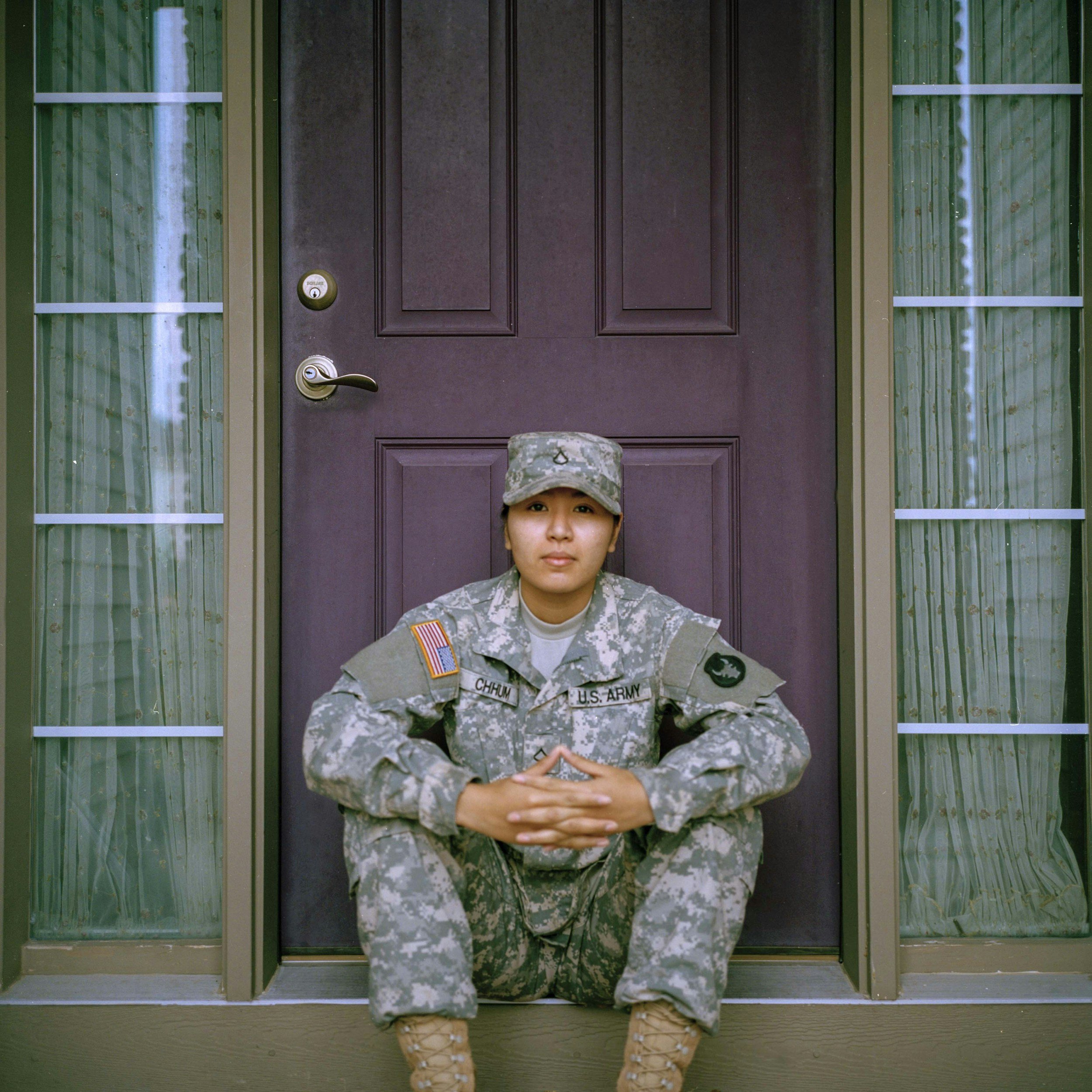
According to 2020 VA Research, data from over 5,000 veterans who served in the military after 9/11 shows that 57% of veterans identify with clinical insomnia criteria. Not only does this validate the additional adjustment challenges, but it also shows that the veteran community is in need of mental health professionals focusing on this need.
However, to further build even more accessibility for CBT-I interventions for veterans in a weekly therapy setting in as little as 5-8 sessions! I am here with first steps to learn about how CBT-I could give veterans the resiliency through their darkest hours! (insert link here for online booking)
For additional resources, VA organizations have developed programs such as Path to Better Sleep to assist with a structured and education based treatment plan to address insomnia. A further benefit for veterans to consider seeking CBT-I programs such as these is that the group structure can further build a sense of community for those struggling in isolation.